
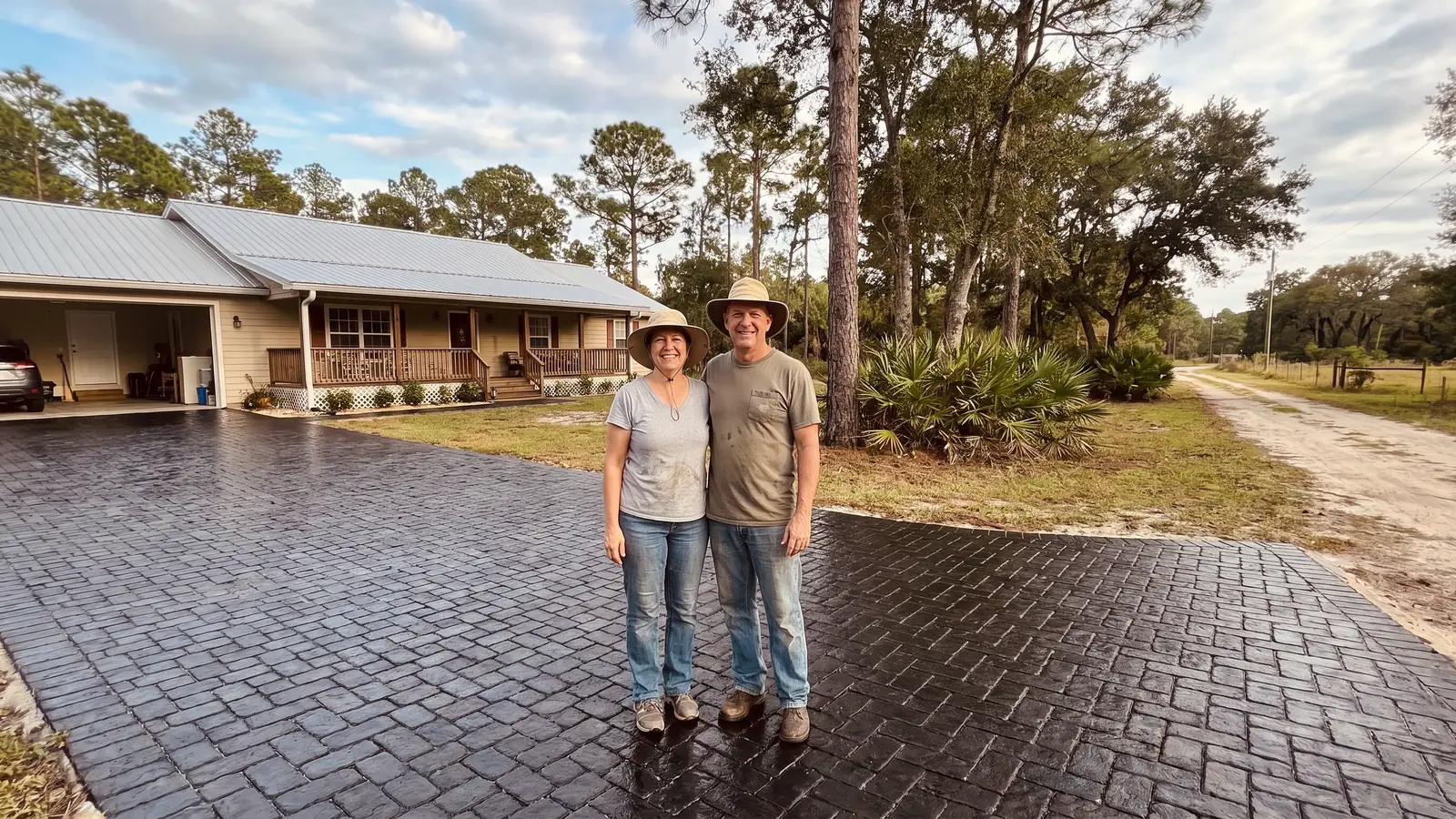
Paver sealing for Cedar Hills homes
Paver Sealing in Cedar Hills, FL
Ranch-house walks and back patios in Cedar Hills can look fresh again, so call (904) 875-8988 for a free sealing estimate.
- Brings out deeper paver color
- Fresh joint sand helps lock pavers in place
- Gives weeds less room to grow
- Makes the surface easier to keep clean
- Free estimate, no obligation
Request a Free Estimate
Free, no obligation.
Fast, careful paver sealing in Cedar Hills
Paver sealing is available throughout Cedar Hills, from the homes near Blanding Boulevard to the Cedar River shore. A local contractor washes, re-sands and seals front walks, driveways and back patios, and the estimate is free. After you ask for a free estimate, a Cedar Hills reply arrives within 1 business day, usually much sooner.
Think about the walk from the curb to your door, and the patio just past the sliding glass doors. Both may have gone gray, with sand missing and green creeping in where the eaves block the sun. A wash, new sand and a fresh coat bring the color back as one even tone. Call (904) 875-8988, and the contractor can describe what your own job would involve.
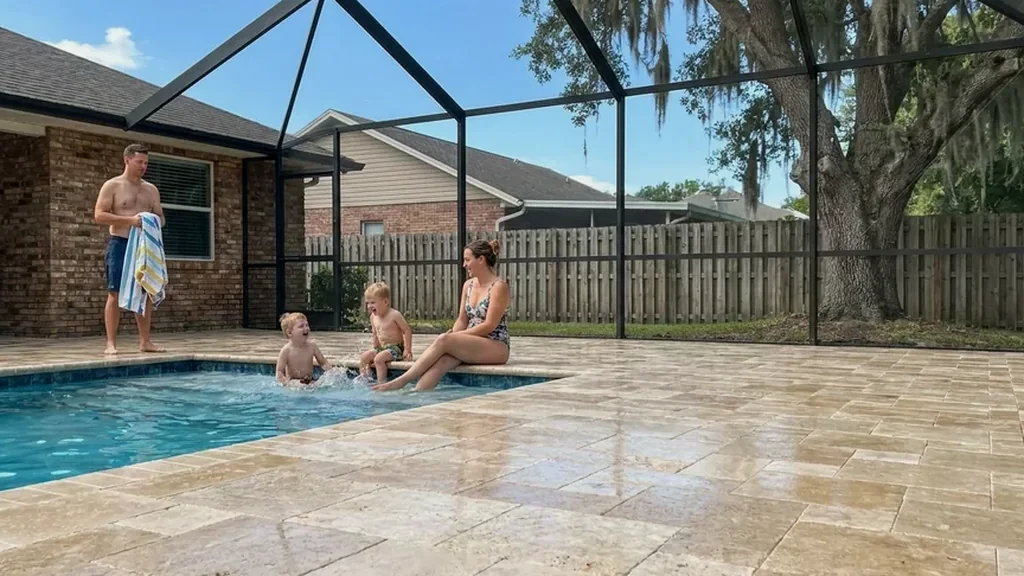
Why hire a local paver sealing contractor in Cedar Hills?
Cedar Hills ranch lots have wide fronts, deep eaves and ditches close by, so a contractor who knows them plans a job around those details. To ask about yours, ask for a free estimate.
Free walk-around estimate
The contractor looks at your front walk, drive and back patio together at no charge, and you hear one price with no obligation.
Replies within a business day
Expect a callback within 1 business day, usually much sooner, and a written number you can think over at a calm pace.
Price you can check
Companies around Northeast Florida commonly publish $1.75 to $3.25 per square foot. Wide Cedar Hills frontages can add area, so ask the contractor for the total before you compare bids.
Finish that suits a ranch
Matte keeps the long, low look of a 1950s ranch natural. A wet look deepens color but shows scuffs sooner. You decide.
Get Your Free Estimate in Cedar Hills
Tell us about your pavers in Cedar Hills.
Free, no obligation
What paver problems show up most in Cedar Hills?
Newer pavers beside rebuilt river houses
Many houses along the Cedar River shore have been greatly expanded or replaced with larger homes. Those projects often bring new patios and drives. Fresh pavers may need time before their first coat, and a contractor can tell you when yours are ready. Older neighbors may already carry a coat of unknown type, and the contractor should check before choosing a product. Ask each neighbor who did their work if you want to match a sheen. Ask the builder or the previous owner when the river-side patio went in, since age sets the plan.
Ditches and canals close by
Metro Jacksonville describes a large network of drainage ditches and canals in Cedar Hills. Water has a route out, but heavy rain can still leave walks and edges wet for hours. The USDA says the Ortega sand series, first described in Duval County, has slow surface runoff. Pavers that stay damp collect film and slow the drying that sealer needs. If a ditch runs near your lot, tell the contractor how fast it empties after a storm. After a heavy rain, note how long the low corners of your yard stay wet, and tell the contractor.
A long walk from the street to the door
Cedar Hills lots usually have large frontages and wide front setbacks, according to Metro Jacksonville. That means a long run of pavers between the curb and the door, plus a drive that is wide as well. More area means more cleaning, more sand and more sealer. It also means any fading shows across a big stretch that every visitor sees first. A coat on the front walk keeps that first impression steady for years, which means less scrubbing before guests arrive. Measure from the curb to the front door, then add the drive, and the total may surprise you.
Patios shaded by deep eaves
The American Ranch house has large overhanging eaves and sliding glass doors that open to a patio. A patio under deep eaves gets little direct sun, so it dries slowly after rain. A paving trade article ties algae and moss to heavy shade and surfaces that stay damp. Expect green first in the corner that never gets sun. Washing clears it, and sealing makes the next wash easier because dirt grips a sealed surface less. Look at the patio floor right outside the sliding glass doors, where drips from the eaves leave the first stains.
Joint sand that storms carry off
Duval County's Ortega soil series is fine sand more than 80 inches deep with rapid permeability, and Jacksonville gets about 52 inches of rain a year. Brief, intense downpours are common from May to September. They wash sand out of joints, which lets weeds and ants in. A refill before sealing is the fix that lasts, and it keeps edges from drifting apart over time. If your joints are empty where the walk meets the drive, that is where a refill matters most.
Does the sealing plan change between the Cedar Hills streets and the river shore?
Yes, a little, because the two areas differ in age and in how the lots are used. The inland streets hold mostly modest brick and concrete block ranches from the 1940s and 1950s, and the river shore has more large rebuilt homes. Say if you live inland or on the river shore when you ask for a free estimate.
Jefferson Davis Middle School, completed in 1961, and the Cedar Hills Baptist Church building on Jammes Road, completed in 1960, are two more landmarks. Naming one helps a contractor place your street without a map. Add it to your request when you ask for a free estimate.
Cedar Hills has seven neighborhoods in all, and Sweetwater is one of them, near I-295 and Wilson Boulevard. Most Sweetwater homes went up between 1949 and 1953. Streets there carry names such as Luke, Matthew, Mark and John. If you live in one of the seven areas, say which, and call (904) 875-8988 to book the estimate.
Street names help a contractor find you. Mother Goose Road, Peter Pan Place and the Flopsy, Mopsy and Cotton Tail lanes are easy to remember, and Harlow Boulevard links many of them to Blanding Boulevard. A clear address and a landmark save time on the first visit. When you are ready, ask for a free estimate and add the nearest cross street.
What does paver sealing cost in Cedar Hills?
Published prices around Northeast Florida land between $1.75 and $3.25 per square foot for cleaning, sanding and sealing. With wide Cedar Hills frontages, your total area may be bigger than you expect. Larger jobs often cost less per square foot because prep time does not grow as fast as the surface. To price your own walk, drive and patio together, ask for a free estimate.
One local company puts its prep at two to three hours for each hour of sealing. Old sealer that has to be stripped adds to that. Stairs, gates and tight side yards add time too, though most ranch lots are open and easy to reach. Call (904) 875-8988 and the contractor can tell you which of these will matter for you.
| Paved area | Typical example | Clean, sand and seal |
|---|---|---|
| 300 sq ft | Small patio or walkway | $525 to $975 |
| 600 sq ft | Two car driveway | $1,050 to $1,950 |
| 1,000 sq ft | Large driveway or pool deck | $1,750 to $3,250 |
| 1,500 sq ft | Driveway plus pool deck | $2,625 to $4,875 |
Math based on the $1.75 to $3.25 per square foot that Northeast Florida paver companies publish. Your contractor sets the actual price after seeing the surface. Repairs, leveling and stripping failed sealer are usually extra.
How does a paver sealing job work in Cedar Hills?
Walk the front, side and back
The contractor starts at the curb and walks the front path, the drive and the back patio. Along the way the notes cover dips, stains, shade and any old coat, and each area is measured so the quote is exact. Sunken areas get reset before sealing, because sealer preserves whatever it covers. Edges that have drifted apart get a look as well. Tell the contractor if your pavers have been sealed before. A quick note on the date and the product saves guesswork. Share any photos of the yard after storms, since they show where water collects.
Wash under the eaves and across the drive
Cleaning clears green film from the shaded patio, tire marks from the drive and general grime from the walk. This is the longest stage on a wide Cedar Hills lot, so allow for it. Rust and oil spots get treated first so sealer does not lock them in. Water is kept off the brick and block walls beside the pavers, and plants near the patio are rinsed so nothing is harmed. Where the wash reveals a stain, the contractor decides what treatment it needs. Pressure is kept gentle on older block and brick, so the mortar is not harmed.
Replace the sand that left
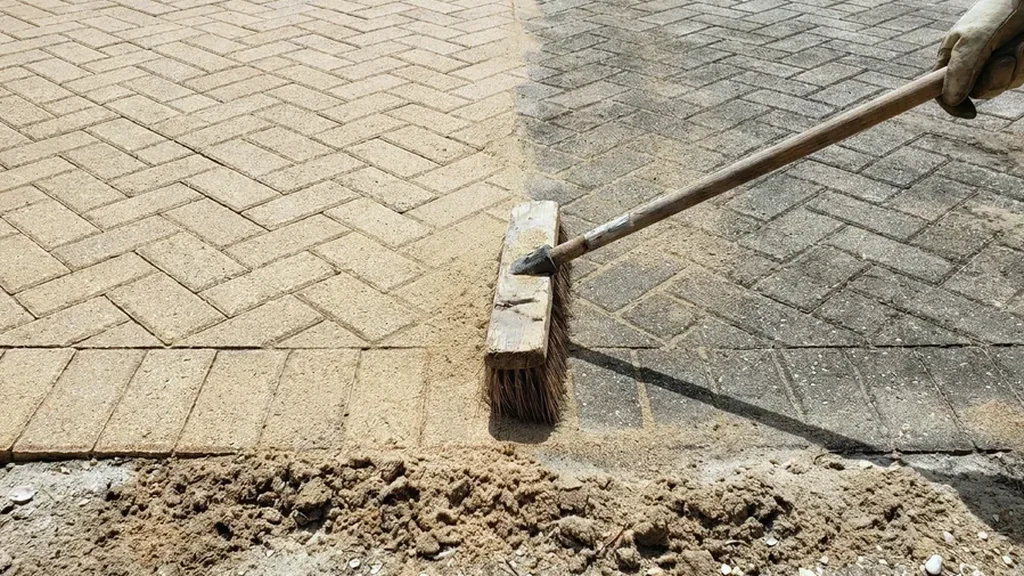
Washing pulls joint sand out, so new sand goes in before any sealer. Cedar Hills sits on deep sand, where open joints invite weeds and ants, and where fresh sand settles quickly. Next the joints get filled and the surface gets a sweep. A long front walk can take extra sand, and a wide drive more still. The contractor sweeps the extra off before the surface dries. Wide frontages mean more sand, so the contractor may bring extra bags to finish in one visit.
Wait out the damp
Sealer needs a dry surface. A patio under deep eaves can stay damp longer than the front walk, so a contractor may sequence the work to match. That can mean sealing the front first and coming back for the patio. That means no sealing over damp pavers and none ahead of a forecast downpour, as one Jacksonville company puts it. A bright day with a light breeze works best, since it dries the walk and the patio evenly.
Seal and give it time
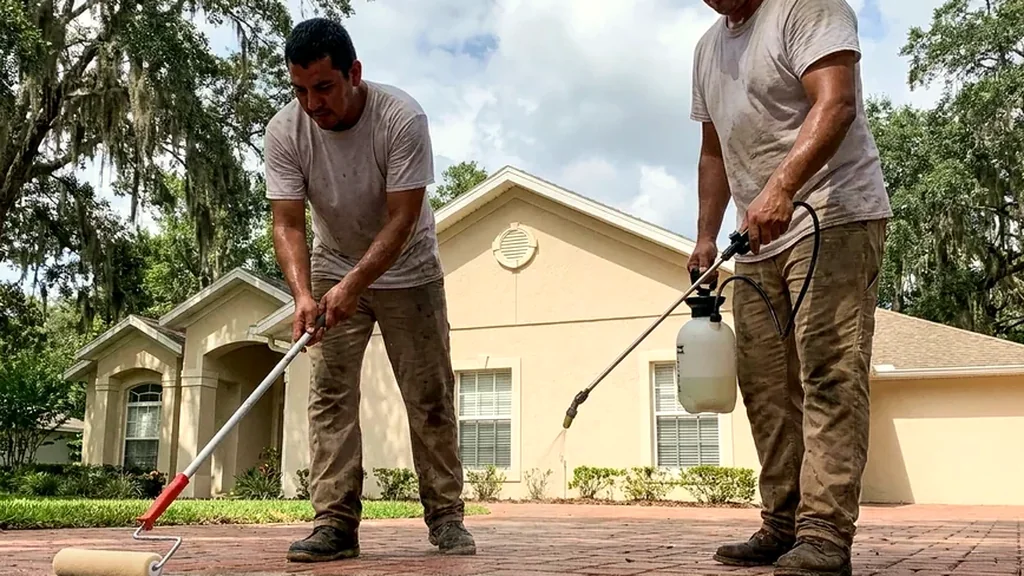
The coat goes on in the finish you picked, sprayed and back-rolled for even coverage. Shade and traffic decide where you land in the two to five years companies commonly quote between coats. Plan to walk on the patio after a few hours and to park on the driveway after about a day. Park on the street or in the garage, and keep sprinklers off the pavers until the coat has cured. Ask the contractor to mark the finish and the date on a note you keep in the garage.
Complete paver services in Cedar Hills
A Cedar Hills job follows one order: wash, refill the joints, let everything dry, then seal. The order protects the coat, since sealer over dirt or damp traps both, and a trapped film is hard to remove later. To ask how long each part takes for a front walk, drive and patio, call (904) 875-8988.
Most ranch lots here have three paver areas: a front walk, a driveway and a back patio. The walk is seen the most, the drive wears the most and the patio stays damp the most. A contractor can price all three on one visit, which saves a second trip. Tell the contractor which you have when you ask for a free estimate.
There are two forks in the road: water-based or solvent-based, and matte or wet look. A solvent-based coat from a past owner decides the first one for you. Against plain brick, matte stays quiet, and a wet look draws the eye while showing scuffs sooner. Call (904) 875-8988 to compare both on your ranch.
Summer in Cedar Hills is wet, with brief downpours from May to September. The drier months from November to April leave more open days, though shaded patios still dry slowly. A contractor will not seal damp pavers, so dates can shift. For a day that fits your forecast, ask for a free estimate.
Questions to ask before you hire
- Which sealer do you plan to use on my pavers, and is it a film-forming or a penetrating type?
- When would my pavers need a second coat, and what does that cost?
- How do you protect my lawn and plants from the cleaning runoff?
- How long should I keep the sprinklers off after sealing?
- Can you give me a written estimate that lists the square footage and the sealer name?
- Will you wash the pavers with a surface cleaner, or only with a hand wand?
- What do I do about pavers that have sunk or shifted near my pool?
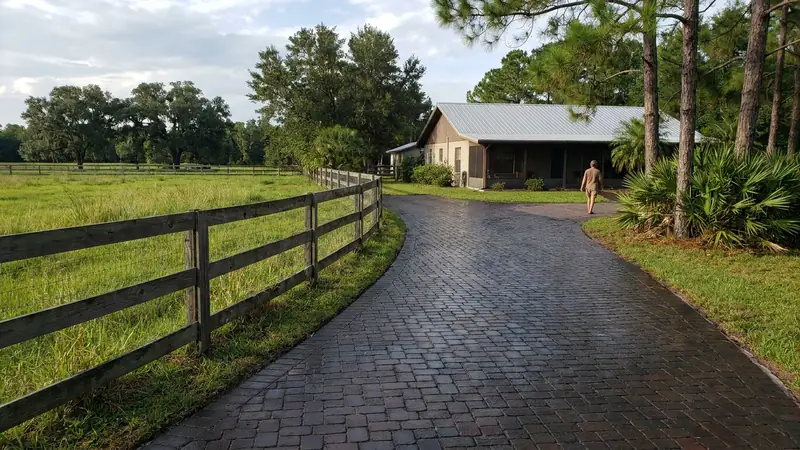
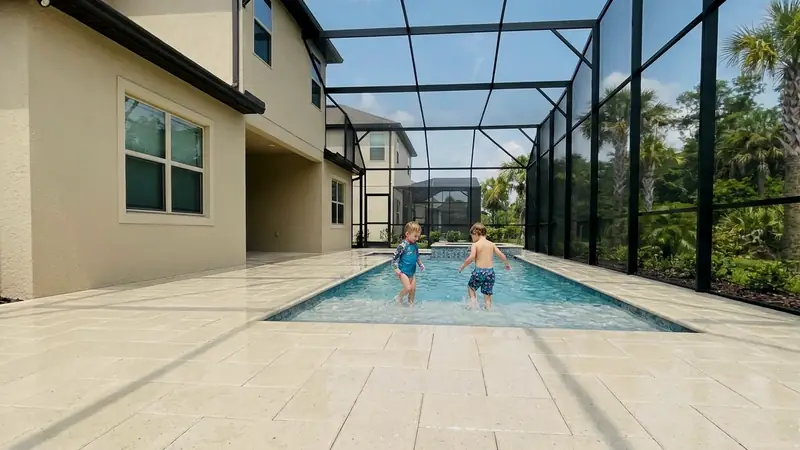
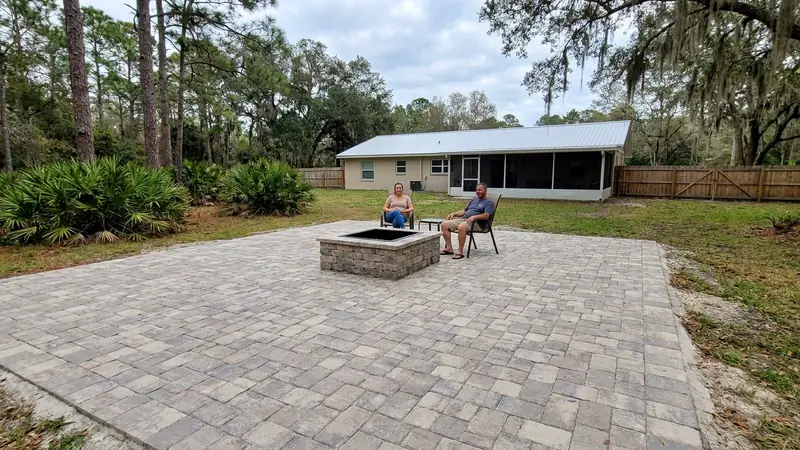
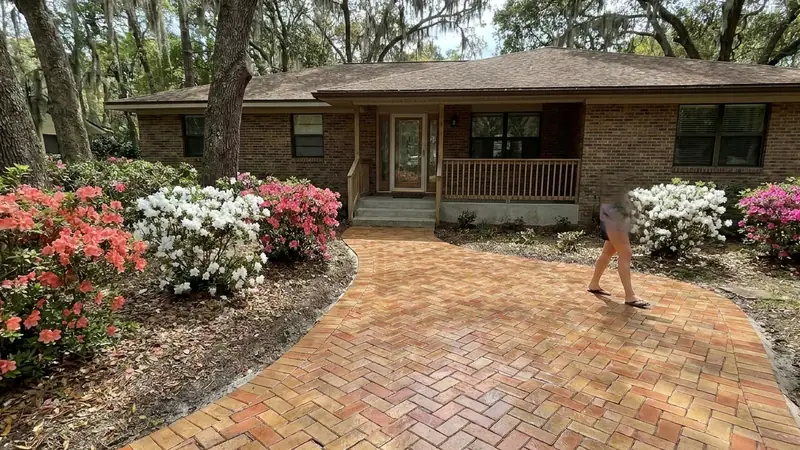
What do sealed pavers look like around Cedar Hills?
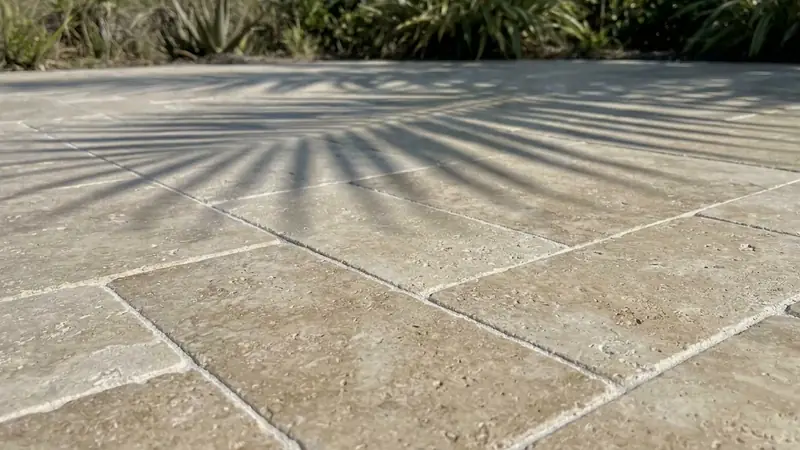
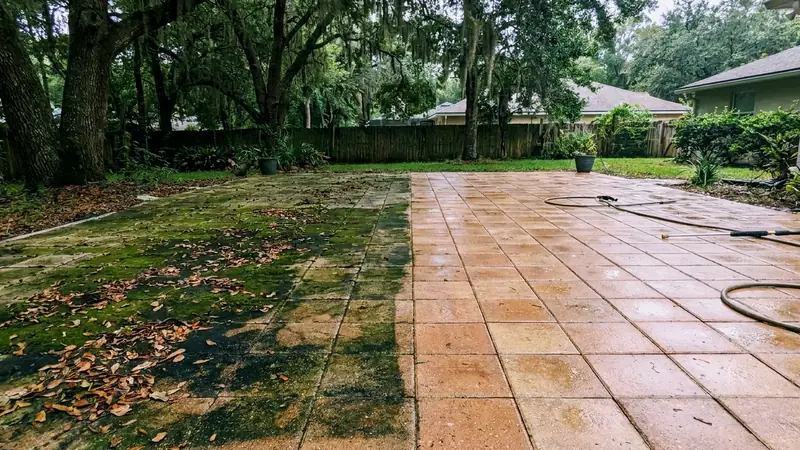
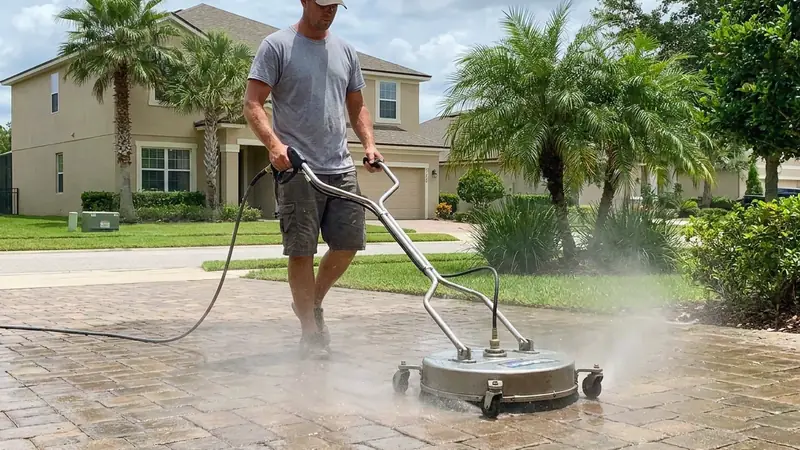
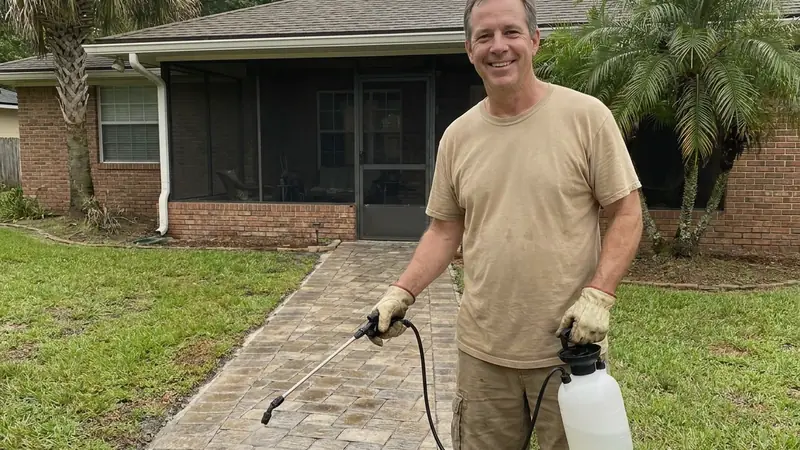
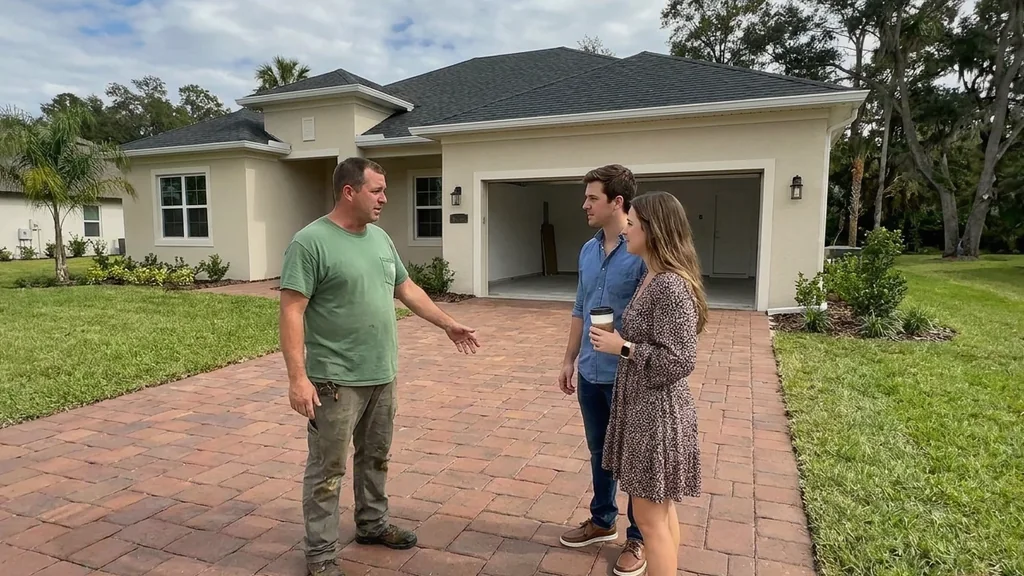
Why local matters in Cedar Hills
A contractor who works the Westside knows Cedar Hills runs from Blanding Boulevard to Lane Avenue along the Cedar River. That makes it easier to plan routes and to picture your lot before the visit. For someone who covers this part of Duval County, call (904) 875-8988.
Distance helps as well. Cedar Hills lies about seven miles southwest of downtown, so a contractor on the Westside is close by. A short drive makes a second visit easy when weather moves the date. To see who covers your street, ask for a free estimate.
Local knowledge also covers the houses. Cedar Hills is mostly brick and block ranches with attached garages, wide fronts and patios behind sliding doors. A contractor who has seen many of them will ask about all three paver areas at the start, and about the sliding doors that open onto the patio. You can ask for a free estimate and mention each one.
Water is the third piece. Ditches and canals run through the neighborhood, and sandy soil drains slowly at the surface. A local contractor watches for damp spots that delay sealing. If a corner of your yard stays wet, ask for a free estimate and say so, with no obligation to hire.
What should I know about Cedar Hills' parks and shopping centers when I call?
Start with the places that make your street easy to find. Cedar Hills Park, renovated in 2002, and the Mary Lena Gibbs Community Center, a former National Guard armory built in 1957, are easy landmarks. Cedar Hills Elementary dates to 1956. Mention the closest one when you ask for a free estimate.
Shopping came early here. Completed in 1955, the Cedar Hills Shopping Center spans 282,000 square feet, and Anchor Plaza on 103rd Street followed in 1970. Locals call the Cedar River Cedar Creek. If you live near the park, the center or the plaza, call (904) 875-8988 and name your street.
Before telephone service reached the area in the 1950s, Sweetwater residents learned the news from the bell at Bethel Missionary Baptist Church on Firestone Road. The community had been settled by freed slaves after the Civil War. If your home is in Sweetwater, call (904) 875-8988 and say so.
Frequently Asked Questions
Can I seal a Cedar Hills patio under a deep eave?
Yes, after it has been cleaned and has dried all the way. Deep eaves keep patios shaded and damp, so green film and stains show up there first. A sealed patio then rinses clean with less effort. The contractor may schedule the patio on a drier day than the front walk.
Do I have to be home when a Cedar Hills driveway is sealed?
Usually you only need to be reachable. The contractor needs the drive and walk clear, so move cars and furniture ahead of time. Ask about parking, since cars must stay off for about a day after the coat goes on.
Does sealing make pavers slippery by a Cedar Hills pool or patio?
That depends on the product and the finish, so ask. A wet look has more gloss than matte, which may change how it feels underfoot. For any surface where people walk barefoot or where water collects, ask the contractor about slip resistance before you choose.
How soon can I walk or park on sealed pavers?
According to one Jacksonville company, you can walk on sealed pavers within hours but should keep cars off for about a day. How long depends on the sealer used and on the day's weather. Ask for a time that fits your Cedar Hills job.
Why is paver sealing so expensive in Cedar Hills?
Most of the cost is preparation, not material. A Jacksonville company says every hour of sealing comes with two to three hours of prep. Washing, re-sanding and the wait for a dry day all add hours. Stripping an old coat adds more.
How much does it cost to have pavers cleaned and sealed in Cedar Hills?
The usual published figure is $1.75 to $3.25 per square foot for Northeast Florida companies to clean, sand and seal. Your total depends on area, old sealer and access. A wide front walk plus a drive and patio adds up, so ask for the full square footage.
Can new sealer go over an old coat on my Cedar Hills pavers?
Only if the two products match. A solvent-based coat from an earlier owner rules out a water-based one over it. With several owners behind a 1950s house, the history can be fuzzy, so a receipt or product name from the last job helps a lot.
Is it good to seal pavers in Cedar Hills, Florida?
Generally yes, and the patio under the eaves may benefit most. Shade keeps it damp, and a sealed surface rinses clean more easily. Walks and drives gain from the same coat, which slows fade and keeps sand in the seams.
How long do paver sealers last on a Cedar Hills driveway?
On a wide, sunny Cedar Hills drive, plan toward the short end of the two to five years companies commonly quote. One Jacksonville company suggests 18 to 24 months for a sunny driveway and 24 to 36 months for a shaded walk. A wide, open Cedar Hills drive belongs near the shorter figure.
Does sealing keep weeds and ants out of Cedar Hills pavers?
It helps. By holding the joint sand in place, sealer leaves weeds and ants less room. The contractor refills the joints first, because sealing over empty joints only locks the gaps in.
Will sealing fix pavers that have sunk near a ditch or drain?
No, sunken pavers need repair first. Sealer preserves any dip it covers, so low areas get reset on a rebuilt base before the coat goes on. Point out wet spots and dips at the estimate.
Ready for a Free Estimate in Cedar Hills?
Call (904) 875-8988 and tell us about your pavers.
Free, no obligation